USA
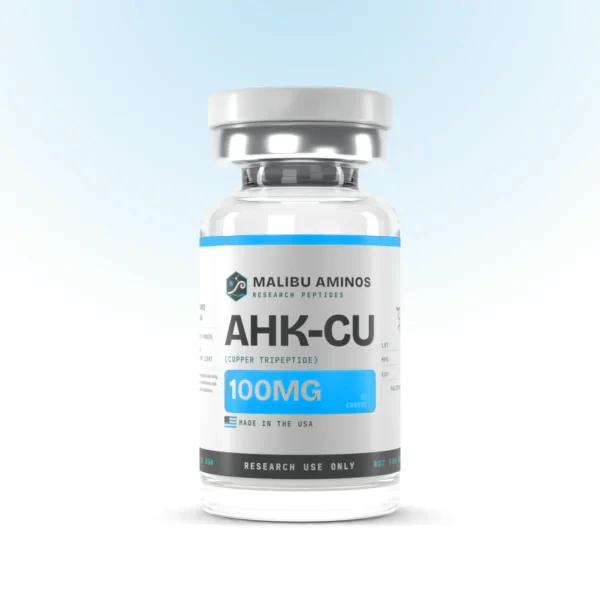
AHK-Cu
Péptidos individuales
$49.99$0.50/mg
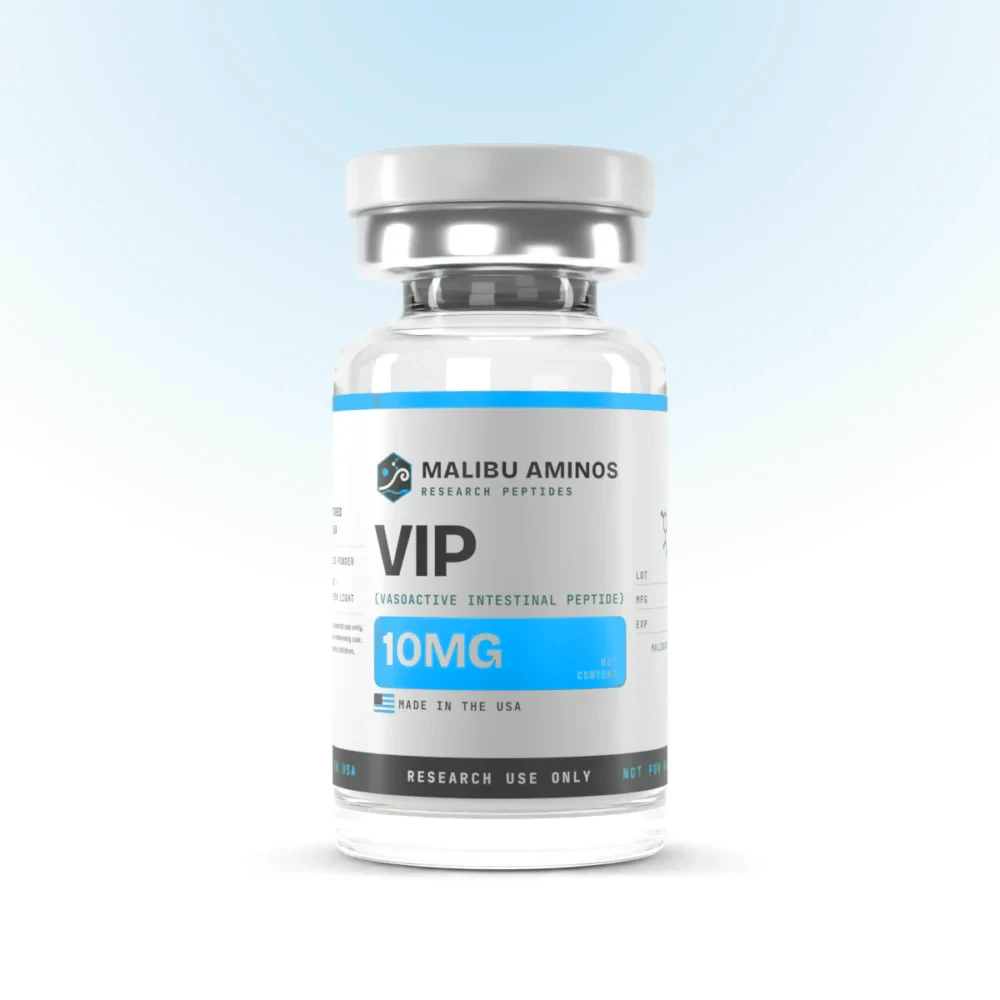
VIP (péptido intestinal vasoactivo) es un neuropéptido de 28 aminoácidos. Se suministra como polvo liofilizado en viales sellados. Cada lote tiene su propio certificado de análisis (COA), que se abre al escanear el código QR de la etiqueta. Solo para uso en investigación de laboratorio. No es para uso humano ni veterinario.
VIP (vasoactive intestinal peptide) is a 28-residue, C-terminally amidated neuropeptide of the secretin/glucagon family, acting through the VPAC1 and VPAC2 receptors. Said and Mutt isolated it from pig small intestine in 1970; the sequence is identical in humans, pigs and rats.
VPAC1 and VPAC2, class B G-protein-coupled receptors.
The 28-residue sequence is identical in humans, pigs and rats.
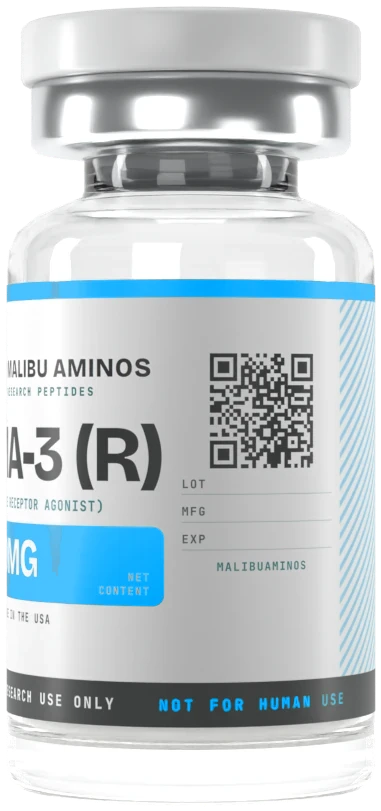
Scan the QR code on the vial. It opens the certificate of analysis for that lot, with HPLC purity and the mass spectrometry identity result.
For laboratory research use only. Not for human or veterinary use. Not intended to diagnose, treat, cure or prevent any disease. Literature references are provided for scientific context and do not describe this product's suitability for any use.
GHK-Cu: structure, history and published research · AHK-Cu vs GHK-Cu: comparing two copper tripeptides · SNAP-8 vs Argireline: two SNAP-25 mimic peptides compared · Selank: the tuftsin-derived heptapeptide explained · Adamax and Semax: what is known about this analog · BPC-157 vs TB-500: two research peptides compared · MOTS-c: the mitochondrial-derived peptide explained · KPV: the α-MSH tripeptide explained · Epitalon (AEDG): what the research covers · Thymosin alpha-1: structure, history and research · Why a peptide's molecular weight can differ: salts, caps and oxidation · HPLC purity: what the percentage on a COA means · Mass spectrometry: how a peptide's identity is confirmed · How to verify a lot with the QR code on the vial · Lyophilized peptides: what they are and how labs store them · How to choose a research compound supplier: 7 points
 Hecho en USA
Debes tener 21 años o más para entrar a Malibu Aminos.
Todos los productos se venden exclusivamente para investigación de laboratorio. No son para uso humano ni veterinario.