Mass spectrometry: how a peptide’s identity is confirmed
Purity tells you how clean a lot is. Identity tells you whether the compound is the one on the label. On a certificate of analysis (COA), identity is confirmed by mass spectrometry.
What it measures
Every peptide has a molecular mass set by its amino acid sequence. The mass spectrometer ionizes the molecules in the sample and measures their mass-to-charge ratio. The result is a spectrum with peaks at specific values.
Expected mass and observed mass
The lab compares two numbers:
- Theoretical mass. Calculated from the formula of the compound.
- Observed mass. What the instrument measured in the sample from the lot.
If the two agree within the tolerance of the method, identity is confirmed. A larger difference means the sample is not the expected compound, or that it has been modified.
Why there are several peaks
One molecule can pick up more than one charge during the analysis. A peptide spectrum therefore often shows several peaks that correspond to the same mass at different charge states. The report states which species each peak belongs to. Several peaks do not mean several compounds.
What to check on the COA
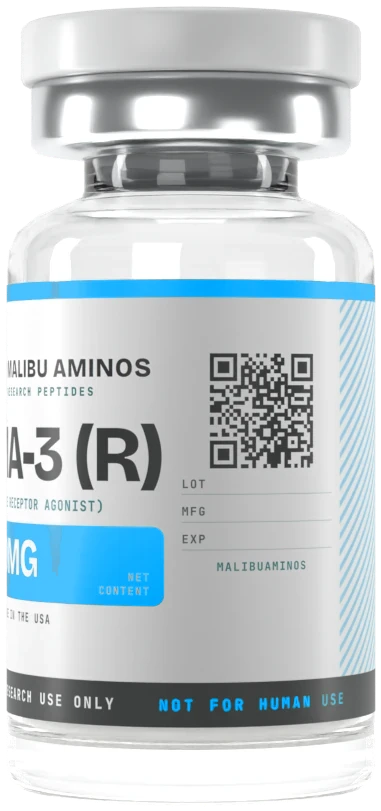
- The compound name and lot number match the ones on your vial.
- The report shows the theoretical and the observed mass, not just the word “conforms”.
- The spectrum is included, with the analysis date and the name of the lab.
Identity and purity are read together
Mass spectrometry confirms what the compound is. HPLC shows how much of the sample is that compound. A reliable lot passes both tests, and both appear on the same COA under the same lot number.
More guides
- GHK-Cu: structure, history and published research
- AHK-Cu vs GHK-Cu: comparing two copper tripeptides
- SNAP-8 vs Argireline: two SNAP-25 mimic peptides compared
- Selank: the tuftsin-derived heptapeptide explained
- Adamax and Semax: what is known about this analog
- BPC-157 vs TB-500: two research peptides compared
- MOTS-c: the mitochondrial-derived peptide explained
- KPV: the α-MSH tripeptide explained
- Epitalon (AEDG): what the research covers
- Thymosin alpha-1: structure, history and research
- Why a peptide's molecular weight can differ: salts, caps and oxidation
- HPLC purity: what the percentage on a COA means
- How to verify a lot with the QR code on the vial
- Lyophilized peptides: what they are and how labs store them
- How to choose a research compound supplier: 7 points
- How to read a certificate of analysis (COA)
Abrir el Portal de COA · Ver el catálogo
All Malibu Aminos products are sold for laboratory research only. Not for human or veterinary use.