ארה״ב
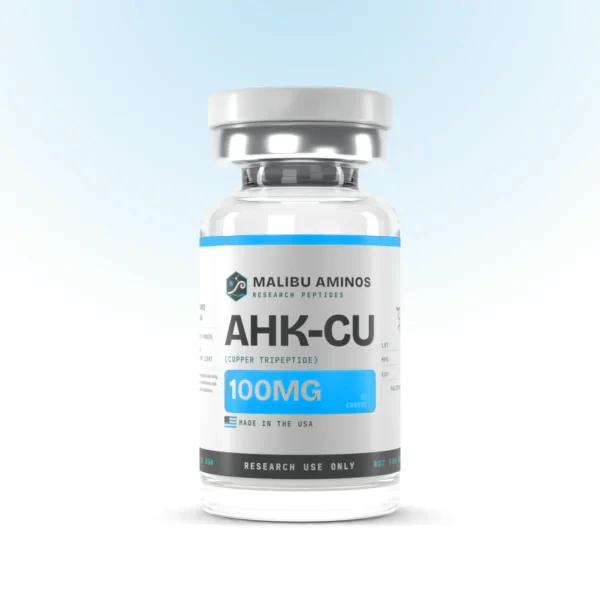
AHK-Cu
פפטידים בודדים
$49.99$0.50/mg
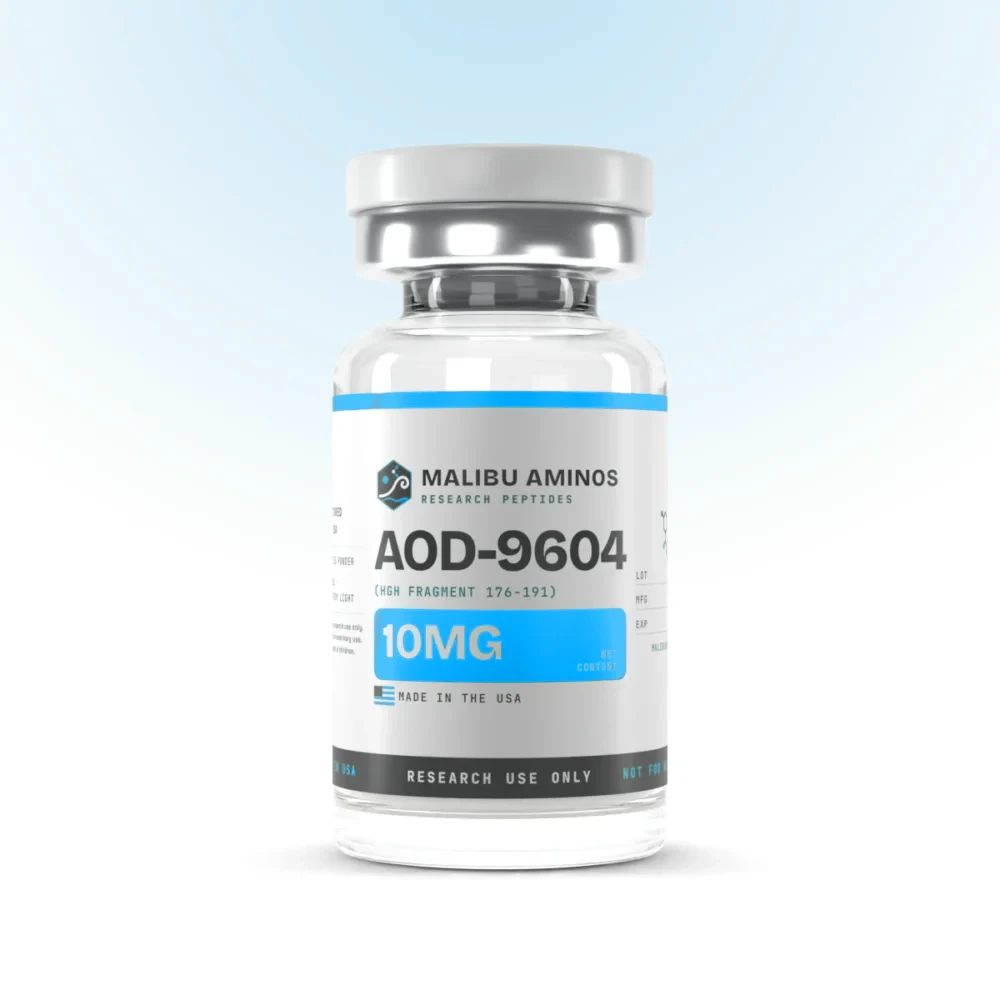
AOD-9604 הוא פפטיד סינתטי המבוסס על שיירים 176–191 של הורמון הגדילה האנושי. מסופק כאבקה ליופילית (מיובשת בהקפאה) בבקבוקונים אטומים. לכל אצווה תעודת אנליזה (COA) משלה, שנפתחת בסריקת קוד ה-QR שעל התווית. לשימוש מחקרי במעבדה בלבד. לא לשימוש בבני אדם או בבעלי חיים.
AOD-9604 is a modified 16-residue fragment of the C-terminus of human growth hormone, with a disulfide bond between Cys7 and Cys14. It was developed at Monash University by Frank Ng's group and studied in rodent fat-metabolism models; clinical development ended around 2007.
The C-terminal region of human growth hormone (around residues 176–191), with an added or substituted N-terminal tyrosine.
The molecular weight above is the free base; the acetate salt is heavier. The COA lists what was tested.
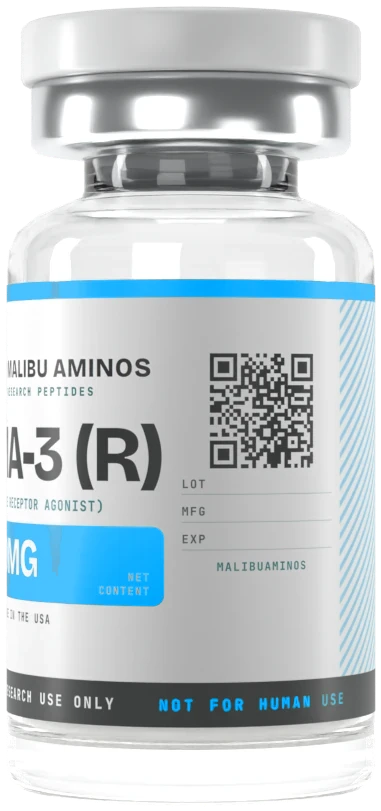
Scan the QR code on the vial. It opens the certificate of analysis for that lot, with HPLC purity and the mass spectrometry identity result.
For laboratory research use only. Not for human or veterinary use. Not intended to diagnose, treat, cure or prevent any disease. Literature references are provided for scientific context and do not describe this product's suitability for any use.
GHK-Cu: structure, history and published research · AHK-Cu vs GHK-Cu: comparing two copper tripeptides · SNAP-8 vs Argireline: two SNAP-25 mimic peptides compared · Selank: the tuftsin-derived heptapeptide explained · Adamax and Semax: what is known about this analog · BPC-157 vs TB-500: two research peptides compared · MOTS-c: the mitochondrial-derived peptide explained · KPV: the α-MSH tripeptide explained · Epitalon (AEDG): what the research covers · Thymosin alpha-1: structure, history and research · Why a peptide's molecular weight can differ: salts, caps and oxidation · HPLC purity: what the percentage on a COA means · Mass spectrometry: how a peptide's identity is confirmed · How to verify a lot with the QR code on the vial · Lyophilized peptides: what they are and how labs store them · How to choose a research compound supplier: 7 points
 תוצרת ארה״ב
You must be 21 or older to enter Malibu Aminos.
All products are sold for laboratory research use only. They are not for human or veterinary use.