USA
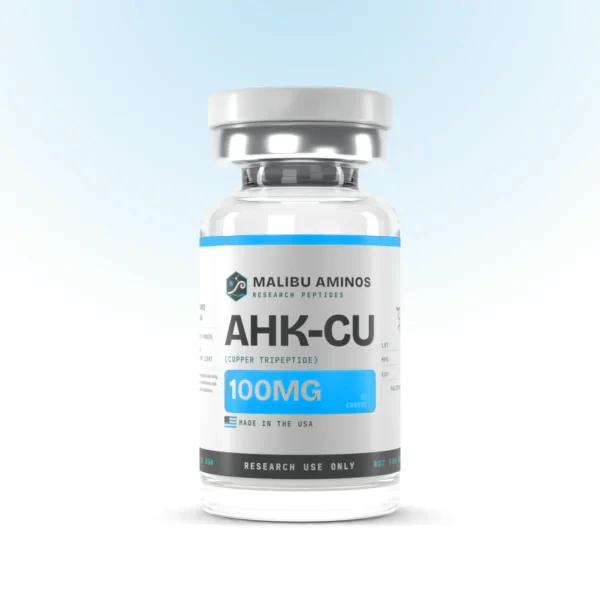
AHK-Cu
Single Peptides
$49.99$0.50/mg
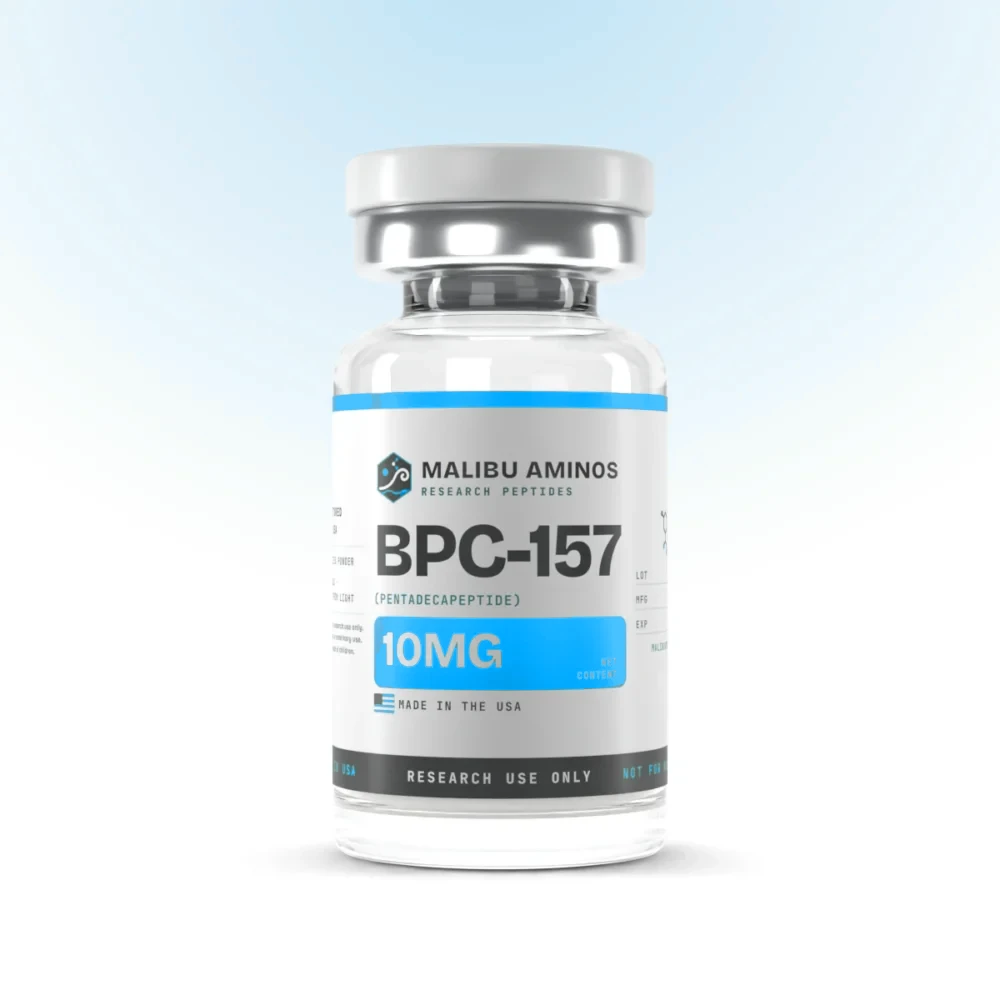
BPC-157 is a synthetic pentadecapeptide (15 amino acids), stable and water-soluble. Supplied as a lyophilized powder in sealed vials. Each batch has its own certificate of analysis (COA), which opens when you scan the QR code on the label. For laboratory research use only. Not for human or veterinary use.
BPC-157 is a synthetic 15-residue peptide whose sequence is a partial sequence of a protein ("body protection compound") described in human gastric juice. It was first reported by Sikirić and colleagues at the University of Zagreb in 1993 and has since been studied mainly in rodent models.
GEPPPGKPADDAGLV, a 15-amino-acid peptide with a molecular weight of about 1419.6 g/mol.
It is synthetic. Its sequence is a partial sequence of a protein described in human gastric juice, first reported by Sikirić and colleagues in 1993.
Scan the QR code on the vial. It opens the certificate of analysis for that lot, with HPLC purity and the mass spectrometry identity result.
For laboratory research use only. Not for human or veterinary use. Not intended to diagnose, treat, cure or prevent any disease. Literature references are provided for scientific context and do not describe this product's suitability for any use.
GHK-Cu: structure, history and published research · AHK-Cu vs GHK-Cu: comparing two copper tripeptides · SNAP-8 vs Argireline: two SNAP-25 mimic peptides compared · Selank: the tuftsin-derived heptapeptide explained · Adamax and Semax: what is known about this analog · BPC-157 vs TB-500: two research peptides compared · MOTS-c: the mitochondrial-derived peptide explained · KPV: the α-MSH tripeptide explained · Epitalon (AEDG): what the research covers · Thymosin alpha-1: structure, history and research · Why a peptide's molecular weight can differ: salts, caps and oxidation · HPLC purity: what the percentage on a COA means · Mass spectrometry: how a peptide's identity is confirmed · How to verify a lot with the QR code on the vial · Lyophilized peptides: what they are and how labs store them · How to choose a research compound supplier: 7 points
 Made in USA
You must be 21 or older to enter Malibu Aminos.
All products are sold for laboratory research use only. They are not for human or veterinary use.