USA
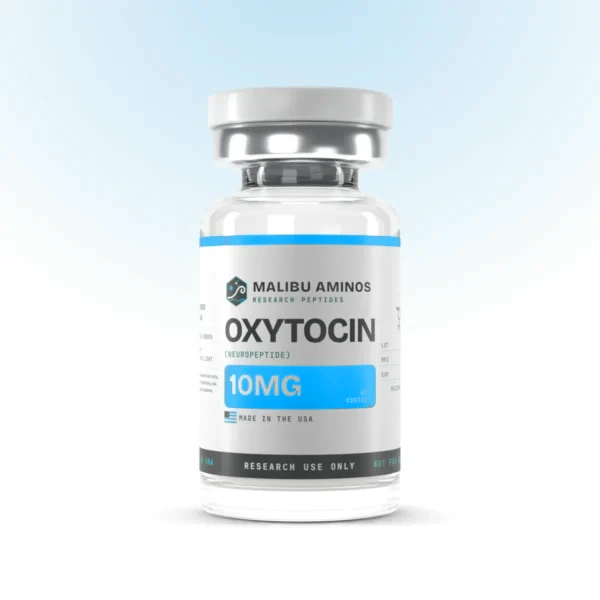
Oxytocin
Single Peptides
$49.99$5.00/mg
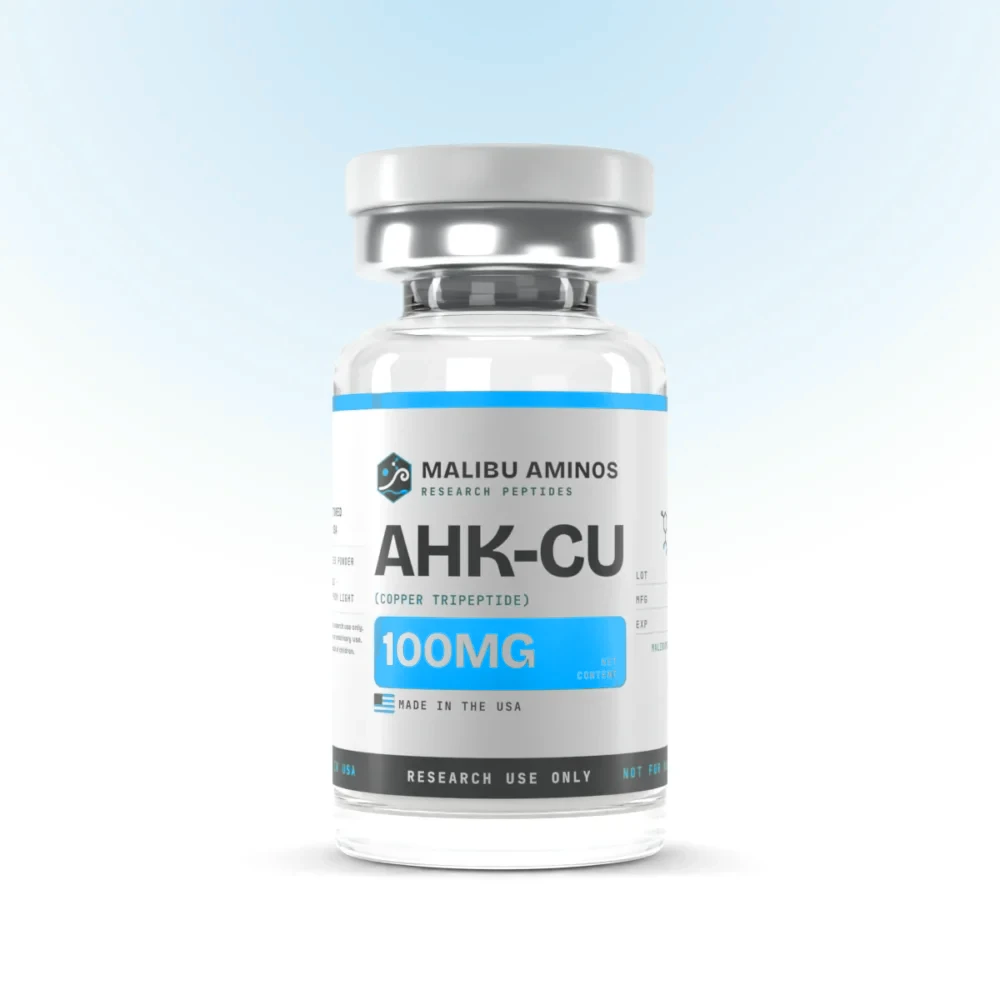
AHK-Cu is the copper(II) complex of the tripeptide L-alanyl-L-histidyl-L-lysine. Supplied as a lyophilized powder in sealed vials. For laboratory research use only. Not for human or veterinary use.
AHK-Cu is the copper(II) complex of the tripeptide L-alanyl-L-histidyl-L-lysine (AHK). It is a close structural analog of GHK-Cu: the N-terminal glycine is replaced by alanine, while the His-Lys copper-binding motif is kept.
Only the first amino acid differs: AHK-Cu has alanine where GHK-Cu has glycine. Both keep the His-Lys copper-binding motif. Our guide compares the two in more detail.
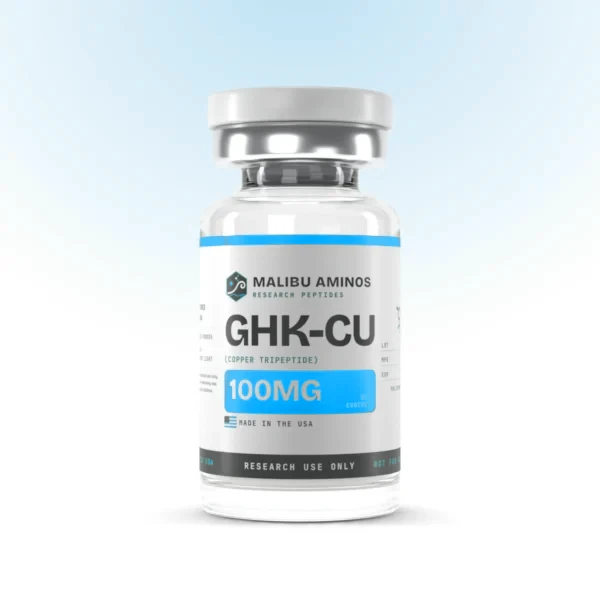
Each vial contains 100 mg of lyophilized AHK-Cu.
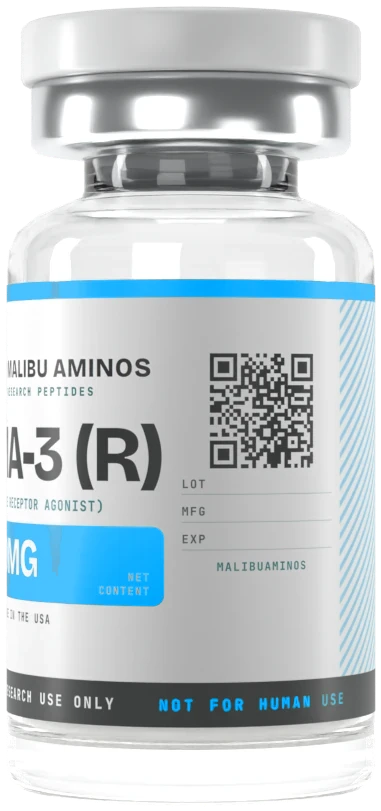
Scan the QR code on the vial to open the certificate of analysis for that lot, including HPLC purity and mass spectrometry identity.
For laboratory research use only. Not for human or veterinary use. Not intended to diagnose, treat, cure or prevent any disease. Literature references are provided for scientific context and do not describe this product's suitability for any use.
GHK-Cu: structure, history and published research · AHK-Cu vs GHK-Cu: comparing two copper tripeptides · SNAP-8 vs Argireline: two SNAP-25 mimic peptides compared · Selank: the tuftsin-derived heptapeptide explained · Adamax and Semax: what is known about this analog · BPC-157 vs TB-500: two research peptides compared · MOTS-c: the mitochondrial-derived peptide explained · KPV: the α-MSH tripeptide explained · Epitalon (AEDG): what the research covers · Thymosin alpha-1: structure, history and research · Why a peptide's molecular weight can differ: salts, caps and oxidation · HPLC purity: what the percentage on a COA means · Mass spectrometry: how a peptide's identity is confirmed · How to verify a lot with the QR code on the vial · Lyophilized peptides: what they are and how labs store them · How to choose a research compound supplier: 7 points
 Made in USA
You must be 21 or older to enter Malibu Aminos.
All products are sold for laboratory research use only. They are not for human or veterinary use.